The Ayurvedic plant extract Bakuchiol is celebrated by magazines like Vogue as a new beauty miracle cure that is set to revolutionize all skincare research.
The plant-based ingredient is said to be just as effective as our beloved beauty hero Retinol, but without the annoying side effects. Reason enough to take a closer look at this hyped ingredient!
Where does Bakuchiol come from?
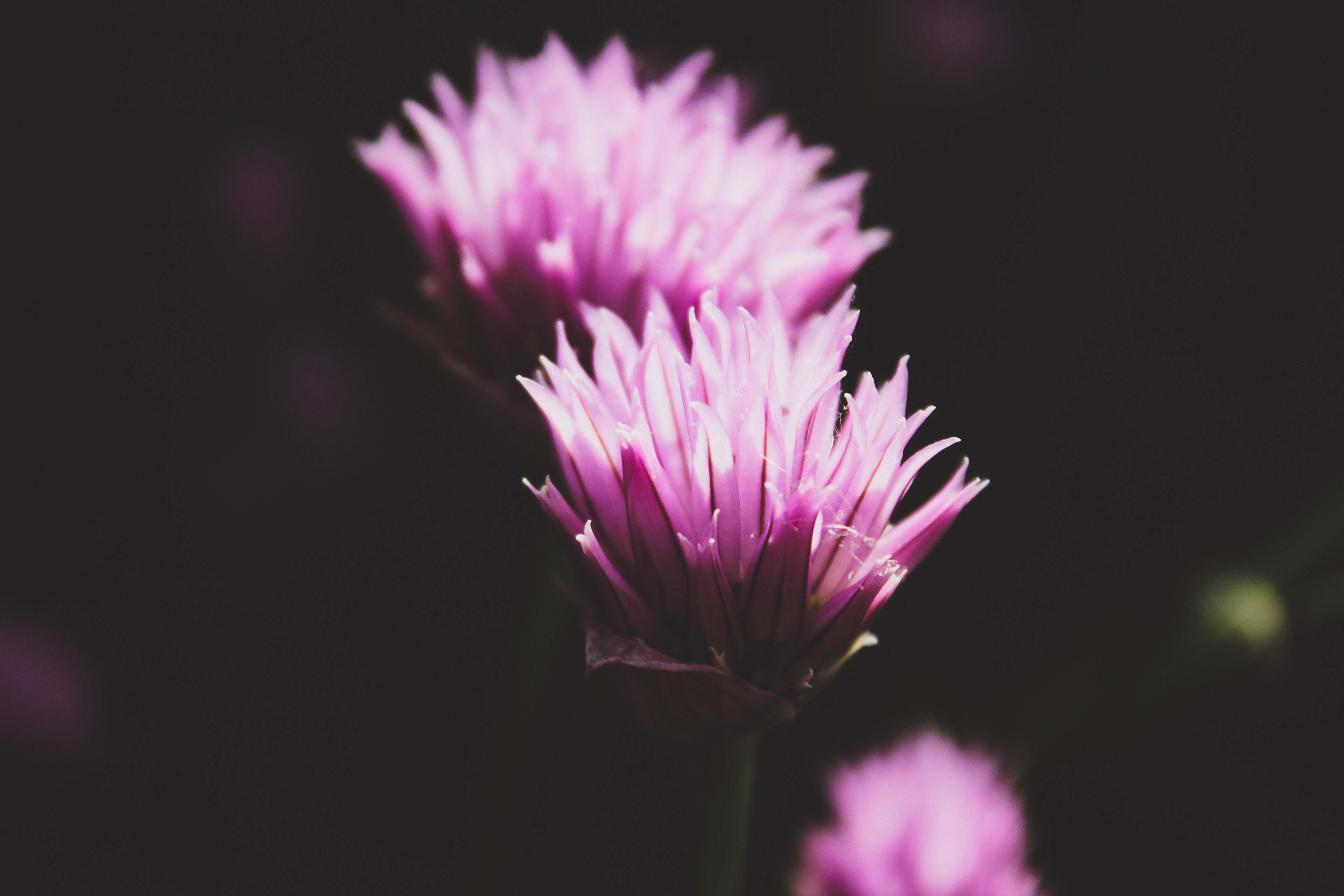
Bakuchiol is extracted from the seeds and leaves of the Indian Babchi plant (Psoralea corylifolia). In its country of origin, India, as well as in China, this small plant, resembling red clover with its purple flowers, is much more than just a new, hyped beauty wonder ingredient.

Thanks to its strong healing properties, the plant extract has been used for centuries in both the Indian health system Ayurveda and Traditional Chinese Medicine (TCM) to treat many illnesses. The medicinal plant is particularly known in these health systems for its strong anti-inflammatory and antioxidant properties.
With a delay of a few hundred years, the skincare industry has finally also become aware of this botanical super-remedy from the Indian subcontinent. Bakuchiol owes this primarily to the numerous scientific studies that have proven its positive effects on the skin and even show that Bakuchiol is at least as effective as the powerful active ingredient Retinol. Therefore, Bakuchiol is celebrated in the beauty world primarily as a new Retinol alternative.
Retinol vs. Bakuchiol – what Retinol can do
If you've never heard of Retinol or can't remember what this active ingredient can do – no problem, here's a quick Retinol reminder!
Retinol is still considered the "gold standard" in skincare. Since the active ingredient was accidentally discovered in the 1970s for the alleviation of fine lines and wrinkles, numerous scientific studies have proven its impressive effect on the skin.
Regular application of a Retinol serum
- stimulates collagen production and thereby reduces existing fine lines and wrinkles,
- inhibits the activity of enzymes that break down collagen, thus preventing the formation of new wrinkles,
- increases the skin's moisture retention,
- reduces hyperpigmentation,
- improves skin texture through the production of new skin cells,
- helps with blemishes and acne.
Why we need an alternative to Retinol
Does it all sound too good to be true? Unfortunately, yes, because as remarkable as the effects of Retinol are, the apparent skincare all-rounder also comes with many side effects.
Probably the worst property of Retinol is that it is anything but gentle on the skin. For Retinol to work properly, higher concentrations, starting at about 0.3%, must be used. However, these amounts are often highly irritating: severe redness, irritation, and annoying flaking of the skin can occur.
Therefore, it is recommended to "ease into" the active ingredient, similar to a strong medication, meaning starting with a low dosage and then slowly increasing it.
But often, even careful use does not change the fact that people with sensitive skin simply cannot tolerate the active ingredient. Another major disadvantage is that Retinol or Vitamin A should not be used during pregnancy, breastfeeding, or when trying to conceive. Even manufacturers themselves advise against this, as large quantities of Retinol are said to be harmful to the fetus.
Another criticism of Retinol is that it makes the skin much more sensitive to light and thus more susceptible to UV damage – incidentally, the number 1 cause of premature skin aging. Therefore, many skin experts advise against using a strong Retinol serum during the day or generally in summer.

Despite these severe side effects, Retinol has maintained its pole position in the skincare world for years. But recently, the purely plant-based newcomer Bakuchiol has been trying to unseat Retinol, which has become somewhat unfashionable in recent years, from its anti-aging throne.
This is because Bakuchiol is not only said to have the same capabilities but is also considered practically free of side effects. But what can the active ingredient actually achieve?
These studies prove the effectiveness of Bakuchiol
In a clinical study from 2014, participants applied a 0.5% pure Bakuchiol cream twice a day. After only 12 weeks, a significant reduction in fine lines and wrinkles, improved elasticity, firmness, and additional relief from sun damage were observed. Although Bakuchiol and Retinol have few structural similarities, their effects are almost identical.
But it gets even better. Bakuchiol also wins in direct comparison with Retinol, as a 2018 study published in the renowned "British Journal of Dermatology" shows.
Participants used either a 0.5% Bakuchiol cream or a 0.5% Retinol product twice daily. After 12 weeks, researchers determined the results: Both Bakuchiol and Retinol significantly reduced wrinkles and hyperpigmentation.
The big surprise: There were no significant differences in effectiveness between the two groups, but the fortunate Bakuchiol users did not experience skin irritation like the participants in the Retinol group. Impressive!
Bakuchiol as a new Retinol alternative is so promising that it has been included as a new, recognized anti-aging active ingredient in the Guideline for Dermocosmetics against Skin Aging by the Cologne Society for Dermopharmacy.
Only a few selected active ingredients (currently 14) whose effects have been sufficiently researched and proven scientifically make it into this strict guideline, initiated by leading dermatologists.
What can Bakuchiol do?
In summary, Bakuchiol mimics the superpowers of Retinol, and all without the nasty side effects!
Bakuchiol…
- stimulates the production of new collagen,
- reduces fine lines and wrinkles,
- increases skin elasticity and firmness,
- has anti-inflammatory properties and promotes clear skin,
- is highly antioxidant and protects the skin from harmful environmental influences,
- reduces existing UV damage
- reduces hyperpigmentation and dark discolorations,
- and has no side effects like Retinol, even at high concentrations!

What skin type is Bakuchiol suitable for?
The good news: Unlike Retinol, Bakuchiol is also suitable for sensitive skin types. It doesn't need to be carefully dosed like Retinol, nor does it lead to unwanted side effects after application, as is known from Retinol.
Since Bakuchiol can demonstrably rejuvenate the skin, users who are older than 25 years old particularly benefit. At this age, the body's own collagen production slowly decreases (unfortunately!) and the first wrinkles become noticeable.
If you frequently suffer from blemished skin, Bakuchiol can also help you to balance and clarify your complexion.
But Bakuchiol not only repairs, it also protects the skin from harmful environmental influences. In short: there is virtually no skin that cannot benefit greatly from this new beauty miracle!
What is the ideal Bakuchiol concentration?
Since most study results refer to a dose of 0.5% or 1% Bakuchiol, you should ensure that your care product contains a similarly high concentration. If the amount used is lower, the desired effect may not occur.
The highest permitted Retinol concentration is known to be 1% (which is not tolerated by everyone due to the severe side effects). However, unlike 1% Retinol, with 1% Bakuchiol, no disturbing side effects such as flaky or irritated skin are to be expected.
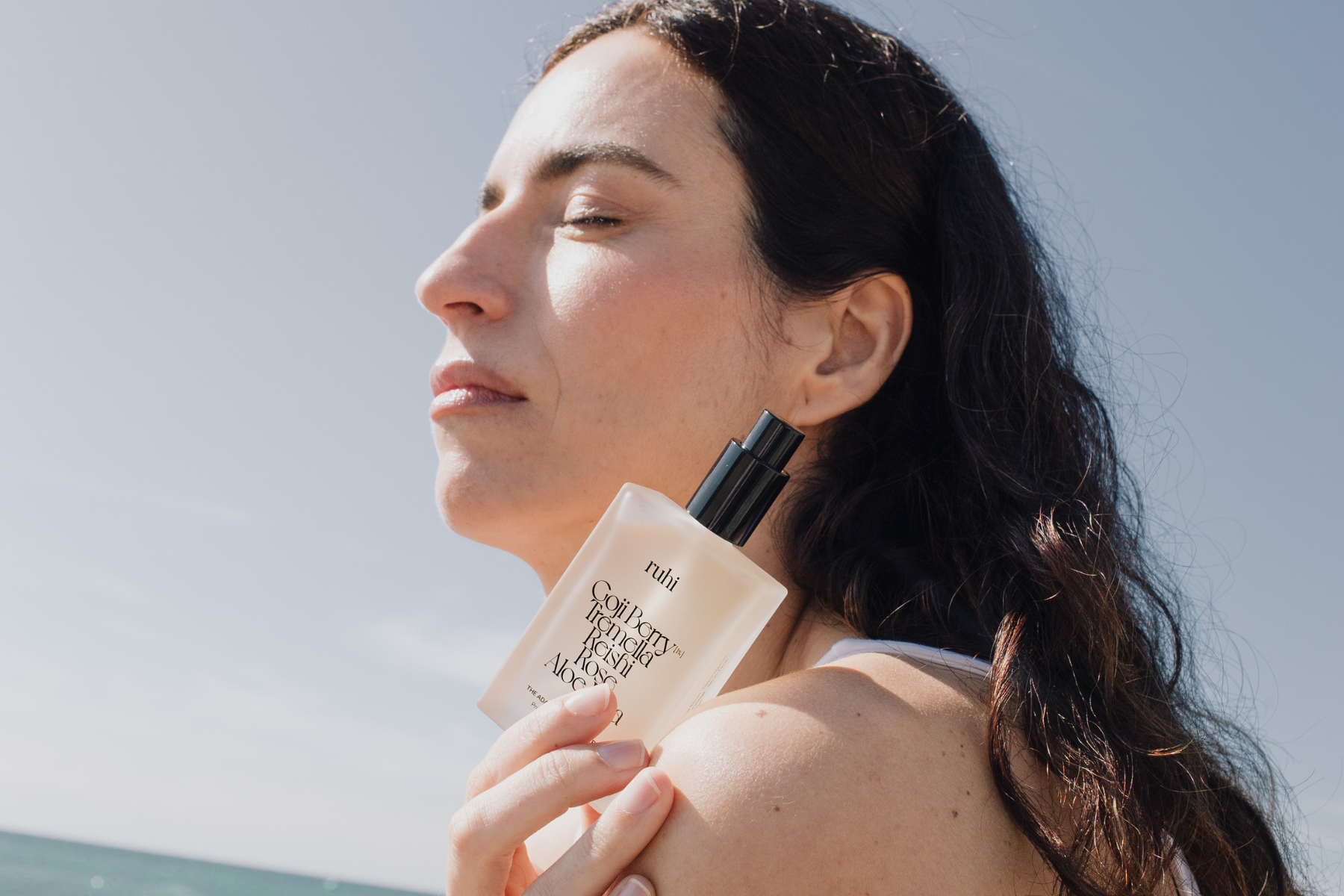
Therefore, we have formulated our new Bakuchiol Oil Serum with 1% Bakuchiol.
 The new THE BAKUCHIOL OIL SERUM from ruhi, €69 for 30ml.
We do not recommend a concentration higher than 1%, as even an excessively dosed plant-based active ingredient can lead to irritation in sensitive skin.
How to apply Bakuchiol correctly?
Bakuchiol can be used during the day and even in bright sunlight, because unlike Retinol, it does not make the skin sensitive to light. However, you should still apply sun protection as usual to protect your skin from sun damage.
If you want to use Bakuchiol during pregnancy or breastfeeding, we recommend discussing this individually with your doctor. So far, there are no studies (yet) that prove that the plant-based active ingredient can be safely used during pregnancy.
In general, you should always do a patch test before integrating a new active ingredient into your skincare routine. This is because even purely plant-based substances can, in rare cases, trigger allergies. To do this, simply apply a coin-sized amount to your cheek and wait at least 24 hours. If your skin does not react with redness or irritation, go for it!