Do you experience a dry skin sensation despite a rich skincare routine, or is your skin oily but still feels dehydrated? One reason for this might be that you don't know the difference between dry and dehydrated skin.
Dry vs. low moisture – in this article, we'll explain exactly how these two skin conditions differ and what the right skincare is for each.
Who is affected by dehydration?
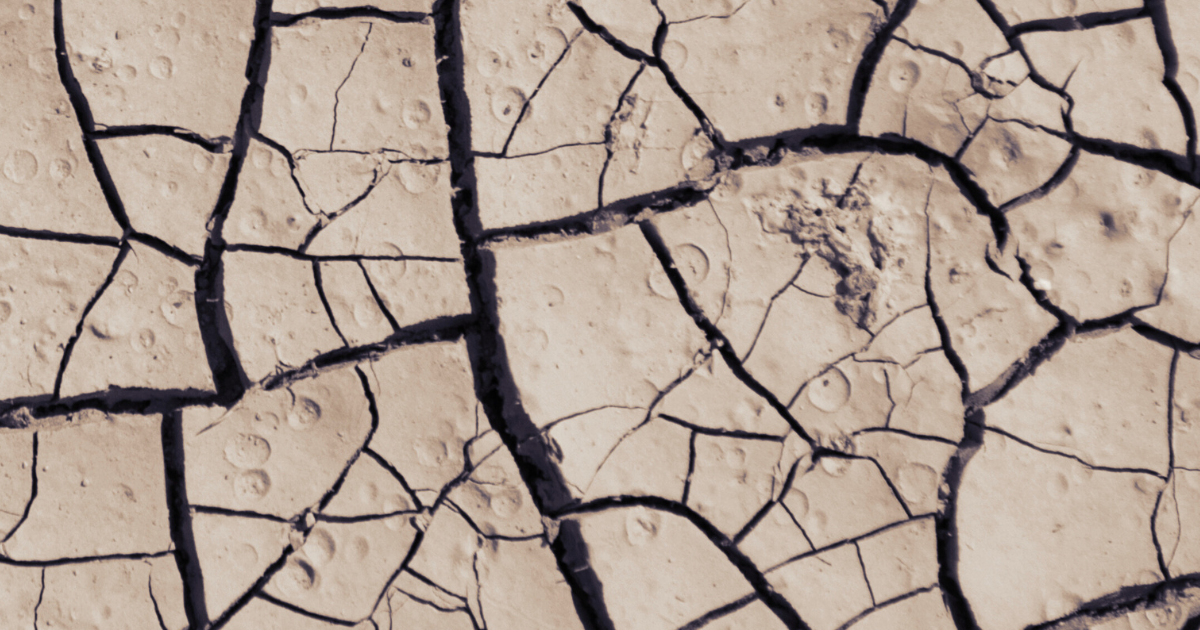
Tightness, itching, fine lines, and low elasticity – does this sound familiar? Dehydrated skin can affect any skin type, regardless of whether you tend to have dry, normal, oily, or combination skin. However, dehydration is often equated with dry skin and treated with rich and oily products. And this is where the mistake lies.
Dry skin typically produces too little oil and needs precisely this rich care. But if you have dehydrated skin, it means it's thirsty and needs more moisture in the first step. It's important to get to the bottom of the cause of the dry feeling before choosing your skincare routine.
What influences the skin's moisture content?
Several factors determine the skin's moisture content.
Insufficient NMF
The Natural Moisturizing Factor (NMF) describes the skin's moisture-retaining system. Water is bound and stored in the skin in the so-called corneocytes, the horny cells. Moisture is released into the environment through evaporation and can also be captured and stored by the skin from the ambient air. This happens thanks to water-binding substances such as amino acids, glycerin, hyaluronic acid, and more.
Compromised skin barrier
In addition to the Natural Moisturizing Factor, the skin barrier also plays a crucial role in storing moisture in the skin. It consists of horny cells, the so-called corneocytes, and fats, and helps prevent water from evaporating too quickly.
Environmental factors
Dry ambient air can easily draw water from your skin – no matter how much moisture you apply. That's why it's important for your skin barrier to be stable. This way, transepidermal water loss (TEWL) is reduced, and your skin can store moisture better.
Unfavorable skincare routine
If you cleanse your face too often with soaps and harsh surfactants, this can be a reason for dry and dehydrated skin. These dissolve oil, making the skin barrier more permeable and potentially increasing TEWL. And washing the skin too frequently or for too long with water can also strip it of moisture. The result: Your skin takes a very long time to normalize its moisture balance. [1, 2, 3]
Also, drying ingredients such as alcohols make the skin barrier more permeable, allowing active ingredients to penetrate the skin better. However, moisture can also escape more easily. Always make sure to avoid products containing, for example, Alcohol, Alcohol denat., or Ethanol.

Mature skin
With age, the skin stores less water, and at the same time, it evaporates significantly faster. Reasons for this include that the connective tissue of mature skin can absorb less water, it is thinner, and sebum production decreases, meaning the skin barrier becomes weaker. Furthermore, skin regeneration also slows down, and the amino acid content in the stratum corneum decreases. [4] The result: reduced elasticity due to dehydrated skin.
In this case, it's important to provide your skin with moisture in the form of serums with hyaluronic acid or glycerin, and also to strengthen the skin barrier with nourishing oils. Our oil serums are perfect for the care of demanding skin.
How do I know if I have dry or dehydrated skin?
The two terms are often used interchangeably. However, dry skin refers to the skin type and is contrasted with oily skin. Dehydrated skin, on the other hand, lacks water.
Dry skin
With dry skin, the barrier is usually compromised. Your sebaceous glands produce too few lipids, making the skin barrier more permeable. You can recognize a dry skin type by the fact that you rarely or never suffer from blemishes and clogged pores.
Due to the lack of oil, dry skin needs rich, oily care. Plant oils are best suited for this, as the skin can use them to rebuild its barrier function.
Dehydrated skin
A lack of moisture is primarily caused by the skin's inability to bind water, a hormonal imbalance, or external factors such as low humidity. Often, as with dry skin, a compromised skin barrier is also present. This skin condition is often accompanied by a rather oily complexion, as the skin tries to compensate for the lack of water by producing more lipids.
If you have an oily skin type but still feel dryness, this could be a sign of dehydration. In this case, use light serums with humectants like hyaluronic acid and glycerin, such as our Probiotic Hyaluronic Serum or our Adaptogen Toner Serum (LINK).

Does my skin need oil, moisture, or both?
Before choosing a suitable skincare routine, you should first find out whether you have dry or dehydrated skin using the tips above. A trusted dermatologist or esthetician can also help you with this.
As a rule of thumb:
- If you tend to have dry skin, you should choose oil-based care.
- If you tend to have oily skin but it still feels dry, you should provide it with moisture.
- Mature, demanding skin loves the combination of moisture and oils.
Sources
[1] MO, Tolia GT, Wickett RR, Hoath SB. Effect of soaking and natural moisturizing factor on stratum corneum water-handling properties. J Cosmet Sci. 2003;54(3):289-300. https://pubmed.ncbi.nlm.nih.gov/12858228/
[2] Robinson M, Visscher M, Laruffa A, Wickett R. Natural moisturizing factors (NMF) in the stratum corneum (SC). I. Effects of lipid extraction and soaking. J Cosmet Sci. 2010;61(1):13-22. https://pubmed.ncbi.nlm.nih.gov/20211113/
[3] Robinson M, Visscher M, Laruffa A, Wickett R. Natural moisturizing factors (NMF) in the stratum corneum (SC). II. Regeneration of NMF over time after soaking. J Cosmet Sci. 2010;61(1):23-29. https://pubmed.ncbi.nlm.nih.gov/20211114/
[4] Verdier-Sévrain S, Bonté F. Skin hydration: a review on its molecular mechanisms. J Cosmet Dermatol. 2007;6(2):75-82. doi:10.1111/j.1473-2165.2007.00300.x https://pubmed.ncbi.nlm.nih.gov/17524122/